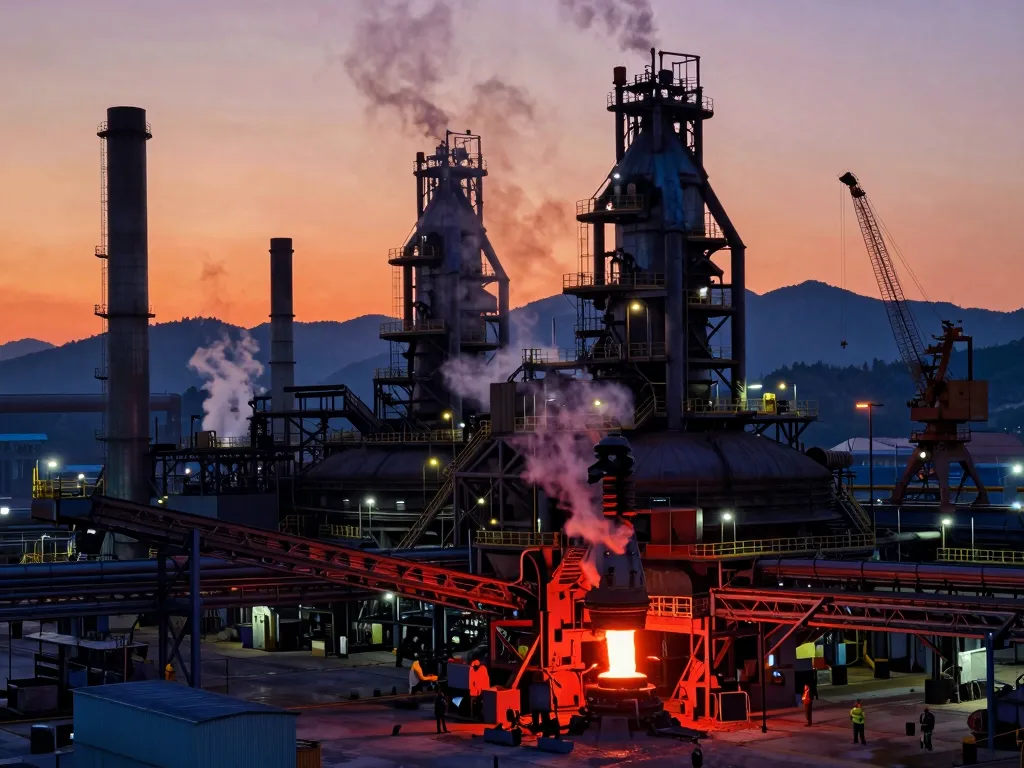
Understanding Nitroethane CAS 79-24-3
Nitroethane CAS 79-24-3 is a versatile organic compound that plays a significant role in various industrial applications. This colorless liquid, characterized by its distinctive aroma, is valued for its unique chemical properties, making it an essential component in several sectors. When exploring options, nitroethane CAS 79-24-3 provides comprehensive insights into its uses and regulatory frameworks, which are crucial for businesses aiming to integrate this compound into their processes effectively.
What is Nitroethane and Its Chemical Properties?
Nitroethane (C2H5NO2) is a nitroalkane that consists of a two-carbon chain with a nitro group (-NO2) attached to one of the carbons. It possesses a molecular weight of 75.07 g/mol and a boiling point of 114.1 °C. Nitroethane is known for its ability to act as a fuel additive, a solvent, and a reagent in organic synthesis. Its high polarity and moderate volatility make it suitable for various industrial applications.
The chemical structure of nitroethane allows it to participate in a range of chemical reactions, including nucleophilic substitution and reduction processes. This versatility is instrumental in enhancing the compound’s utility in the pharmaceutical industry, where it serves as a precursor for various drugs.
Applications of Nitroethane in Industry
Nitroethane is prominently utilized in several industries due to its unique chemical properties. Some of the key applications include:
- Pharmaceuticals: It’s often used as a solvent and reagent in the synthesis of active pharmaceutical ingredients (APIs).
- Fuel Additives: Nitroethane is added to fuels to improve combustion efficiency and reduce emissions.
- Explosives: Its properties make it suitable for use in the production of explosives and propellants.
- Cosmetics and Personal Care: Nitroethane can also be found in some formulations due to its solvent abilities.
Safety Measures for Handling Nitroethane
Handling nitroethane requires strict adherence to safety protocols due to its flammable nature and potential health risks. Recommendations include:
- Utilizing personal protective equipment (PPE) such as gloves, goggles, and respirators.
- Ensuring proper ventilation in work areas to minimize inhalation exposure.
- Storing nitroethane in cool, dry places away from sources of ignition.
Production Processes of Nitroethane
Synthesizing Nitroethane: Overview of Methods
The production of nitroethane typically involves several synthetic pathways. One common method includes the nitration of ethane using a mixture of concentrated nitric and sulfuric acids. This reaction requires precise temperature control to maximize yield and minimize by-products. Alternative approaches involve the nitrosation of ethylene glycol derivatives, providing varying yields and purity levels.
Environmental Impact of Nitroethane Production
Manufacturing nitroethane poses environmental challenges, particularly concerning the management of waste products and emissions. Efforts to reduce the environmental footprint include:
- Implementing cleaner production techniques that minimize waste.
- Utilizing green solvents and reagents to replace hazardous materials.
- Incorporating waste recycling and recovery processes to enhance sustainability.
Cost Analysis of Nitroethane Production
The cost of nitroethane production is influenced by various factors, including raw material prices, energy consumption, and regulatory compliance expenses. As markets evolve, manufacturers must continuously assess cost-effectiveness by:
- Negotiating better rates for raw material procurement.
- Investing in technologies that enhance production efficiency.
- Monitoring global market trends to anticipate cost fluctuations.
Regulatory Standards and Compliance
Global Regulations Surrounding Nitroethane CAS 79-24-3
Nitroethane is subject to various regulations globally, aimed at ensuring safe handling, transportation, and disposal. Organizations such as the Environmental Protection Agency (EPA) in the United States and the European Chemicals Agency (ECHA) in the European Union provide guidelines that govern its use. Companies must maintain compliance with these regulations to avoid legal repercussions and safeguard environmental health.
Best Practices for Compliance in Chemical Handling
To ensure adherence to regulatory standards, organizations should implement best practices, including:
- Regular training programs for employees on the safe handling of chemicals.
- Routine audits of storage practices and safety measures.
- Establishing clear protocols for emergency response to spills or exposure incidents.
Implications of Non-Compliance in the Chemical Industry
Failure to comply with regulations can result in severe consequences, including legal penalties, increased scrutiny from regulatory bodies, and damage to a company’s reputation. Additionally, non-compliance can lead to workplace accidents, which could have detrimental effects on employee safety and environmental integrity.
Future Trends for Nitroethane in 2026
Emerging Applications in Technology and Energy
As we approach 2026, the applications of nitroethane are expected to expand, particularly in innovative technologies and energy solutions. Potential developments may include:
- Utilization as a biofuel additive to enhance the performance of alternative fuels.
- Incorporation in the synthesis of new materials with advanced properties.
Innovations in Nitroethane Research and Development
Research efforts are likely to focus on improving the efficiency of nitroethane production processes and exploring new derivatives of the compound. Innovations may lead to:
- Discovery of new catalytic processes that reduce environmental impact.
- Development of nitroethane-based materials for specific industrial applications.
Market Predictions for Nitroethane Demand
Market analysts predict a steady increase in demand for nitroethane, driven by its extensive applications in pharmaceuticals and energy. Factors contributing to this growth include:
- Increased consumer interest in sustainable and efficient energy sources.
- Rising pharmaceutical research and development activities that require nitroethane as a key ingredient.
Real-World Examples and Case Studies
Successful Applications of Nitroethane in Industry
Several industries have reported successful applications of nitroethane that showcase its versatility. For example, in the pharmaceutical sector, nitroethane has been utilized in the synthesis of novel drug compounds, significantly accelerating the development timeline due to its efficiency as a reagent.
Case Study: Nitroethane in Pharmaceutical Development
A notable case involves a leading pharmaceutical company that incorporated nitroethane in its drug formulation process, reducing the production costs by 30% while improving the yield of active ingredients. This success highlights the compound's value in streamlining pharmaceutical manufacturing.
Lessons Learned from Nitroethane Usage in Manufacturing
Manufacturers utilizing nitroethane have learned valuable lessons about the importance of process optimization and safety. Continuous evaluation of handling procedures and regulatory compliance has become paramount to mitigate risks and enhance productivity.
What are the Environmental Impact Groups Associated with Nitroethane?
The environmental impact of nitroethane primarily concerns its potential to contribute to air and water pollution if not managed properly. Advocacy groups are increasingly focused on ensuring that manufacturers adhere to environmental regulations to protect ecosystems.
How to Ensure Safe Transportation of Nitroethane?
Safe transportation of nitroethane requires compliance with DOT (Department of Transportation) regulations, including:
- Using appropriate packaging materials that minimize leakage.
- Training personnel on safe transportation practices.
- Implementing tracking systems to monitor shipments and prevent accidents.
What are the Main Risks of Nitroethane Exposure?
Exposure to nitroethane can pose health risks, including respiratory issues, skin irritation, and potential long-term effects on the nervous system. It is imperative to assess and manage these risks in workplaces using the compound.
What Role Does Nitroethane Play in Sustainable Practices?
Nitroethane can contribute to sustainable chemical practices by serving as a cleaner alternative to more toxic substances in various applications. Its role as a fuel additive can also lead to lower emissions, aligning with sustainability goals.
Can Nitroethane be Replaced in Certain Applications?
While nitroethane is highly versatile, ongoing research is investigating whether bio-based alternatives or other chemical substitutes could fulfill similar roles in certain applications, particularly in pharmaceuticals and energy.
What Future Technologies Could Impact Nitroethane Usage?
Emerging technologies such as advanced catalytic processes and biotechnological advances are expected to impact nitroethane usage significantly, potentially enhancing its efficiency and sustainability in industrial applications.