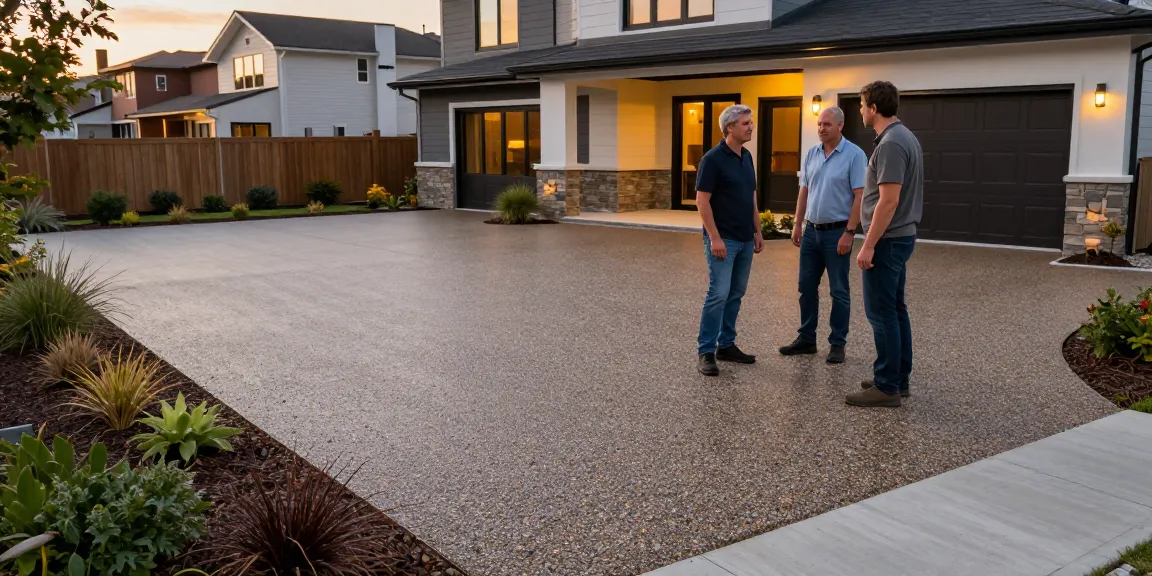
Understanding Resin Driveways
In the ever-evolving landscape of landscaping and home improvement, resin driveways have emerged as a popular choice among homeowners in Dublin and beyond. With a perfect blend of aesthetics, functionality, and durability, they cater to the unique needs of Irish weather and residential architecture. As the demand for high-quality paving solutions increases, working with resin driveway experts can provide invaluable insights to ensure your project is executed to perfection. This comprehensive guide delves into everything you need to know about resin-bound driveways, from their benefits to the installation process.
What is a Resin-Bound Driveway?
A resin-bound driveway is a premium surfacing option that involves mixing natural aggregates, such as stones and gravel, with a UV-stable polyurethane resin. This unique combination results in a smooth, seamless surface that is both attractive and functional. The installation process typically involves applying the resin-aggregate mixture to a prepared base, with a recommended depth of 15 to 18 millimeters. Once cured, this type of driveway provides a fully permeable surface, allowing rainwater to drain directly through, which is particularly beneficial in areas like Dublin where heavy rainfall is common.
Benefits of Choosing Resin Driveways
Resin-bound driveways offer an array of benefits that make them an appealing option for homeowners:
- Durability: Resin-bound surfaces can last between 15 to 25 years, making them a long-term investment.
- Low Maintenance: With minimal upkeep required, these driveways need only occasional brushing and power washing.
- Design Flexibility: Homeowners can choose from various natural aggregate colors and blends to complement their home’s aesthetics.
- Permeability: The porous nature of resin-bound surfaces meets SuDS (Sustainable Drainage Systems) requirements, preventing water pooling and mitigating flood risks.
- Safety: The smooth, even surface is ideal for pedestrians, wheelchairs, and prams, reducing the risk of trips and falls.
Why Resin Suits Irish Driveways
In Ireland, where wet weather is prevalent, the choice of materials for driveways is crucial. Resin-bound driveways are particularly suited to the Irish climate due to their permeability. This allows for effective drainage, which is essential in preventing water accumulation and ice formation during colder months. Additionally, the encapsulation of aggregates within the resin minimizes weed growth, ensuring the driveway remains visually appealing with little effort.
Differences Between Resin-Bound and Resin-Bonded
Defining Resin-Bound vs. Resin-Bonded
It's common for homeowners to confuse resin-bound and resin-bonded driveways, but understanding the distinction is important for making an informed choice. Resin-bound driveways are created by mixing aggregate with resin, which results in a fully permeable surface. In contrast, resin-bonded driveways involve applying resin to a prepared base and then scattering loose aggregate on top, which is not permeable and can lead to the loss of stones over time.
Pros and Cons of Each System
Here’s a breakdown of the advantages and disadvantages of each system:
- Resin-Bound:
- Resin-Bonded:
Choosing the Right System for Your Needs
When selecting between resin-bound and resin-bonded driveways, consider your budget, aesthetic preferences, and the specific needs of your property. For those looking for sustainability and long-term performance, resin-bound is often the better investment.
The Installation Process of Resin Driveways
Base Preparation and Assessment
The foundation of any resin driveway is crucial to its longevity and effectiveness. Prior to installation, a thorough assessment of the base is performed. It is vital to ensure that the existing surface—be it tarmac or concrete—is stable and free of cracks. If necessary, a new base course can be laid to provide a suitable foundation for the resin-bound surface.
Mixing and Application Techniques
The mixing of aggregates and resin is performed on-site using a forced-action mixer to ensure a uniform coating of resin on all stones. Following this, the mixture is poured onto the prepared base, spread, and trowelled to achieve a consistent depth. This process requires skilled craftsmen to ensure the surface is even and smooth.
Curing Time and Maintenance Aspects
Once the resin-aggregate mix is applied, it requires a curing period to harden. The minimum curing time is typically 12 hours, though this may extend to 24 hours in colder or wet conditions. After this period, light pedestrian traffic can resume, with vehicle use permitted after 48 hours. Maintenance for resin-bound driveways remains minimal – routine cleaning ensures the surface maintains its aesthetic and functional qualities.
Cost Factors for Resin Driveways
Main Influencing Factors on Installation Cost
The cost of installing resin driveways can vary significantly based on several factors, including:
- Size of the Driveway: Larger areas will naturally incur higher costs.
- Type of Aggregate: The choice of aggregate can influence both appearance and price.
- Base Condition: If extensive repairs or a new base are necessary, this can increase overall costs.
- Installation Complexity: Unique designs or site obstacles may require additional labor and materials.
Getting Your Free Site Survey
To obtain an accurate estimate for your resin driveway installation, it’s essential to conduct a free site survey. This allows professionals to assess the site conditions and provide a tailored quote that covers all aspects of the project with no hidden extras.
Understanding Potential Hidden Extras
While the initial quote may be competitive, it’s crucial to clarify all potential costs upfront. Ensure that you are aware of any factors that might lead to additional charges, such as unforeseen base repairs or specific design requests.
Frequently Asked Questions About Resin Driveways
What Maintenance is Required for Resin Driveways?
Maintenance for resin driveways is straightforward, involving minimal effort. Regular brushing and power washing a few times a year are sufficient to keep the surface looking fresh and free of debris.
How Long Do Resin Driveways Last?
With proper installation and maintenance, resin-bound driveways can last anywhere from 15 to 25 years, making them an excellent long-term investment for homeowners.
Can I Customize the Color of My Driveway?
Yes, one of the advantages of resin-bound driveways is the availability of various aggregate colors and blends. Homeowners can choose specific combinations to match their home’s exterior.
Are Resin Driveways Eco-Friendly?
The permeable nature of resin-bound driveways promotes natural drainage, helping to manage rainwater effectively and reduce runoff, which can be beneficial for the environment. Additionally, many materials used in production can be eco-friendly.
What Areas Do You Cover for Installation?
Professional installation services for resin driveways are available across Dublin and the surrounding commuter counties, making it accessible for most homeowners in the region.