Understanding the Benefits of Automatic Driving Lessons
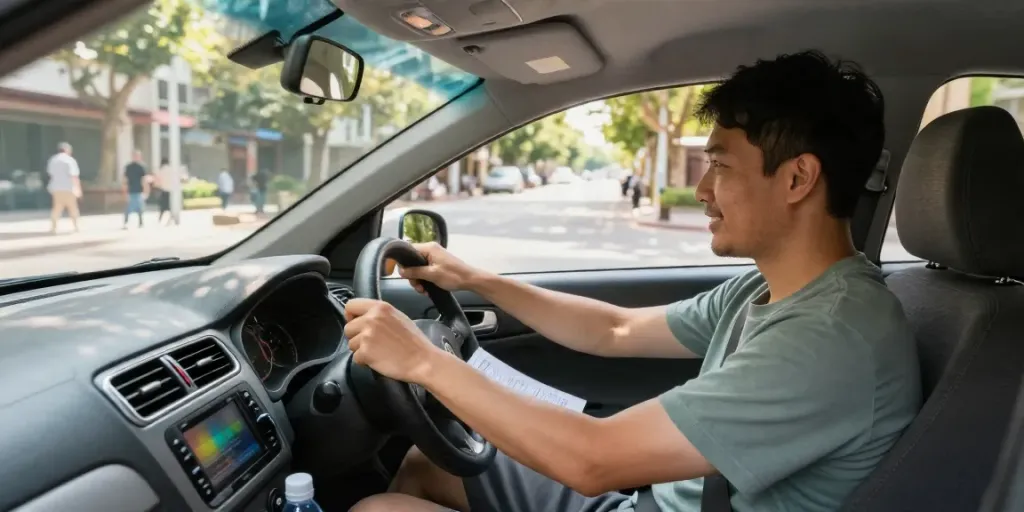
As the driving landscape continues to evolve, more learners are opting for automatic driving lessons. These lessons provide a smoother, more focused learning experience, particularly for those who may feel overwhelmed by manual transmission. In this article, we will explore the numerous benefits of automatic driving lessons, why they might be the best choice for you, and how to make the most of your driving education.
Why Choose Automatic Over Manual?
Automatic driving lessons offer a distinct advantage over manual lessons, especially for new drivers. The absence of a clutch pedal and the intricacies of gear changing allows learners to direct their full attention to the road ahead. This means that essential skills, such as traffic awareness and safe positioning, can be prioritized without the added stress of manual controls. Furthermore, many students report feeling less anxious during automatic driving lessons, which contributes to a more enjoyable learning process.
Cost Comparisons: What to Expect
The cost of automatic driving lessons varies widely depending on geographic location, instructor qualifications, and lesson formats. Typically, hourly rates for automatic lessons fall between $30 and $70. Many driving schools offer competitive rates for block bookings, which can significantly reduce the overall cost. For instance, a common package might include ten hours of instruction at a discounted rate, making learning more accessible for students.
Lessons for Nervous Drivers: A Supportive Approach
For learners who experience anxiety behind the wheel, automatic driving lessons can be particularly beneficial. The simplification of driving mechanics allows nervous drivers to focus on the road with reduced stress. Instructors provide a supportive environment, often adapting the pace of learning to fit the individual needs of each student. This tailored approach ensures that even the most anxious drivers can develop the skills and confidence necessary to navigate their driving tests successfully.
How to Book Your Automatic Driving Lessons
Finding the perfect automatic driving lessons involves a few key steps. First, assess your own needs—consider your experience, confidence level, and scheduling preferences. Many driving schools, including Road Pilot, offer flexible options that cater to various learning styles and availability, making it easier for you to start learning.
Selecting the Right Lesson Package for You
Most driving schools offer a variety of lesson packages, ranging from single lessons to comprehensive courses. Beginners might choose a two-hour introductory lesson to get a feel for automatic driving. More experienced learners may benefit from block bookings, which allow for consistent practice without interruptions. Be sure to evaluate what package will best suit your goals and financial situation.
Understanding Instructor Qualifications
When selecting a driving instructor for automatic lessons, it's essential to consider their qualifications and teaching experience. Look for instructors who are licensed and have positive reviews from previous students. A qualified instructor will not only demonstrate technical driving skills but also possess the ability to create a comfortable learning environment, which is crucial for success.
Scheduling Lessons Around Your Lifestyle
Flexibility is key when scheduling driving lessons. Many schools offer options for both daytime and evening classes to accommodate various schedules. Make sure to communicate your availability during your initial consultations with driving schools to find the best fit for your learning timeline.
Maximizing Your Learning Experience
To get the most out of your automatic driving lessons, it's important to set clear personal goals. Understanding what you wish to achieve will guide your learning experience and keep you motivated throughout your journey.
Setting Your Personal Goals
Before starting your lessons, establish specific driving goals. This may include mastering parallel parking, navigating busy intersections, or preparing for your driving test. Clear objectives provide direction to your lessons and enable you to measure your progress effectively.
Progress Tracking: How Many Lessons Will You Need?
The number of automatic driving lessons each student requires varies based on their prior experience and personal aptitude. On average, many learners need around 20 to 30 hours of behind-the-wheel instruction before they feel ready to take their practical driving test. Regularly checking in with your instructor can help you gauge your progress and determine if additional lessons are necessary.
Tips for Building Confidence Behind the Wheel
Building confidence while driving takes time and practice. Here are some actionable tips to help you feel more comfortable:
- Practice in low-traffic areas initially to build your comfort level.
- Ask your instructor for constructive feedback after each lesson.
- Set small, attainable goals for each driving session.
- Completion of mock driving tests can familiarize you with the testing environment.
Preparing for Your Driving Test
Once you've undergone a series of lessons and feel confident in your driving skills, it's time to prepare for your driving test. This crucial milestone requires focused practice on key skills and techniques to ensure a successful outcome.
Key Skills to Focus On
Prior to your test, there are specific skills that you should concentrate on. These include:
- Safe vehicle operation including turns, stops, and speed control.
- Using mirrors effectively for lane changes and road positioning.
- Understanding road signs and traffic signals.
- Executing various maneuvers, such as parallel parking and three-point turns.
Mock Tests: Simulating Real Exam Conditions
Before your actual driving test, consider participating in mock tests with your instructor. Simulating real exam conditions can help alleviate anxiety and familiarize you with the format of the test. Discuss any worries with your instructor to gain reassurance and practical advice.
Post-Test Considerations: What Happens Next?
After completing your driving test, you may either pass or fail. If you pass, you will be issued a provisional license, allowing you to drive independently. If you do not pass, discuss the results with your instructor to identify areas of improvement and set a plan for retaking the exam when you are ready.
Future Trends in Automatic Driving Lessons
The landscape of driver education is continuously changing, influenced by technological advancements and shifting regulations. As we approach 2026, several emerging trends are shaping the future of automatic driving lessons.
Technological Advances in Driver Education by 2026
As technology becomes more integrated into daily life, driving schools are leveraging advanced tools such as simulators and online platforms. These resources facilitate personalized instruction and allow learners to practice in a controlled, risk-free environment.
How Autonomous Vehicles Might Influence Learning
With the rise of autonomous vehicles, driving instruction may evolve to focus more on scenario-based learning and decision-making rather than mastering physical controls. This shift could redefine how driving skills are taught, emphasizing critical thinking and situational awareness in drivers.
Changing Regulations and Their Impact on Learners
As regulations related to driving licenses and automatic vehicles develop, it’s imperative for learners to stay informed. Understanding these changes can help you make informed decisions about your education and ensure a smoother transition to becoming a licensed driver.
FAQs About Automatic Driving Lessons
As you prepare for your journey with automatic driving lessons, here are some frequently asked questions that address common concerns:
How many lessons do you need for an automatic car?
The required number of lessons will vary per individual. Most learners can expect around 20 to 30 hours of driving instruction.
Is it cheaper for automatic driving lessons?
In many instances, automatic driving lessons can be less expensive in the long run due to the reduced time needed to master driving skills when compared to manual lessons.
Can I pay someone to teach me to drive?
Yes, you can hire a qualified instructor for formal lessons, which is recommended for structured learning.
How to drive an automatic for the first time?
Focus on familiarizing yourself with the gear selector, understanding the basic controls, and practicing essential maneuvers in a safe environment.
Are automatic lessons good for nervous drivers?
Yes, many nervous drivers find comfort in automatic lessons due to the simplified controls, allowing them to focus more on driving safely.