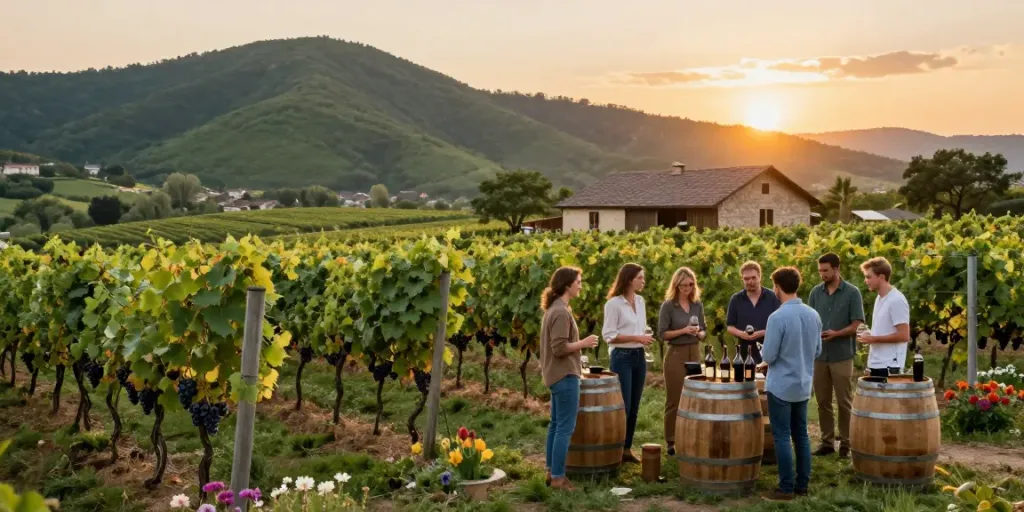
The Rise of Collaborative Winemaking
In recent years, the world of wine has undergone a significant transformation, with collaborative winemaking gaining traction among both novice and seasoned producers. The concept of winemakers working together to share resources, knowledge, and facilities is reshaping the landscape of the industry. This approach not only lowers the barriers to entry for small wineries but also fosters a community spirit that benefits all participants. As you dive into this article, explore how initiatives like avpwinecollective.com reflect this innovative trend.
Understanding Collective Wine Production
Collective wine production involves multiple winemakers collaborating within a shared space, typically referred to as a "crush facility." These facilities are equipped with the necessary tools for the winemaking process, from fermentation to bottling, allowing producers to focus on their craft without the financial burden of maintaining individual operations. By pooling resources, members can enjoy lower costs and reduced risks, which is particularly crucial for startups in an industry often dominated by established brands.
Benefits of Community-Based Winemaking
The benefits of this collaborative approach extend beyond mere cost savings. Community-based winemaking encourages knowledge sharing, which is invaluable for newcomers who may lack experience. Here are some of the advantages:
- Shared Expertise: Experienced winemakers can mentor novices, providing guidance on best practices and innovative techniques.
- Diversity of Wines: A collective can produce a broader range of wine varieties, appealing to a wider market.
- Marketing Power: Collaborating allows for stronger collective marketing efforts, enhancing visibility in an increasingly crowded marketplace.
- Environmental Sustainability: Working together often leads to more efficient use of resources, minimizing the collective carbon footprint.
Case Studies of Successful Wine Collectives
There are numerous examples of successful wine collectives around the world. One notable collective is the AVP Wine Collective in Oregon, which serves as a commercial storage and production facility for emerging winemakers. By providing the necessary infrastructure and expertise, AVP has become a launching pad for innovative brands that may otherwise struggle to enter the market.
Another example is the California Wine Collective, which has successfully unified a diverse group of winemakers and helped them access markets that would have been challenging to penetrate individually. These case studies illustrate the potential for growth that collaborative ventures can unlock.
Innovations in Wine Technology
As the wine industry evolves, so too does the technology that supports it. From fermentation techniques to labeling processes, innovation is key to staying competitive. Emerging technologies like artificial intelligence (AI) and innovative fermentation methods are changing how wines are made and marketed.
New Trends in Fermentation Techniques
Fermentation is a critical stage in winemaking, and new techniques are revolutionizing how wines develop their flavors. One such method is the use of wild yeast fermentation, which allows for more complex flavor profiles. Additionally, advanced temperature control systems enable winemakers to create optimal fermentation conditions, ensuring a more consistent product.
The Role of AI in Winemaking
AI is increasingly finding its place in the winemaking process, from predicting the best time to harvest grapes to optimizing fermentation processes. By analyzing data from various sources, including soil conditions and weather patterns, AI can provide insights that help winemakers make informed decisions. This technology not only enhances the quality of the wine but also improves overall efficiency in production.
Future-Proofing Your Winery with Technology
Investing in technology is crucial for wineries that aim to thrive in the competitive landscape of 2026 and beyond. Here are some strategies for future-proofing your winery:
- Embrace Automation: Automating repetitive tasks can save time and reduce human error, allowing winemakers to focus on creativity.
- Utilize Data Analytics: Leveraging data can provide insights into consumer preferences and market trends, informing production strategies.
- Engage in Sustainable Practices: Incorporating technology in sustainable practices can enhance brand reputation and appeal to environmentally-conscious consumers.
Challenges for Emerging Winemakers
While collaborative winemaking offers many advantages, emerging winemakers also face unique challenges. Addressing these hurdles is crucial for sustained growth and success in the industry.
Navigating Regulatory Hurdles
The wine industry is heavily regulated, with various compliance requirements at local, state, and federal levels. New winemakers must familiarize themselves with these regulations, which can be daunting. Being part of a collective can provide essential support in navigating these complexities.
Financial Considerations for New Wineries
Starting a winery requires significant capital investment. Collective winemaking can mitigate some of these financial burdens by allowing producers to share costs associated with equipment and facilities. However, understanding cash flow, pricing strategies, and funding opportunities remains critical for success.
Common Misconceptions About Winemaking
Many people have misconceptions about what it takes to produce quality wines. For instance, some believe that all great wines must come from prestigious vineyards. However, the reality is that passion, technique, and innovation often play a more pivotal role in quality. Education and community engagement are essential in changing perceptions and encouraging appreciation for diverse wines.
Connecting with Wine Enthusiasts
Building a strong connection with wine enthusiasts can significantly influence a winery's success. Engaging storytelling and effective use of social media are vital tools for fostering this connection.
Engaging Your Audience through Storytelling
Storytelling is a powerful marketing strategy. By sharing the story behind your wine—its origins, the winemaking process, and the people involved—winemakers can create an emotional connection with consumers. This personal touch can be the difference between a one-time buyer and a loyal customer.
Leveraging Social Media for Brand Growth
Social media platforms have become key channels for marketing wine. Winemakers can use these platforms to showcase their products, share behind-the-scenes content, and engage directly with their audience. Regular updates, educational posts, and interactive content can significantly enhance a winery’s brand presence.
Building a Community Around Your Brand
Creating a community around your brand fosters loyalty and advocacy. Hosting events, tastings, and workshops can help build a network of passionate wine lovers who support your winery and share your story with others.
Future Trends in the Wine Industry
As the wine industry looks toward the future, several trends are poised to shape its trajectory. Staying informed about these trends is essential for winemakers aiming to adapt and thrive.
Sustainability in Viticulture
Sustainability continues to be a major focus within viticulture. More wineries are adopting organic or biodynamic practices, which not only resonate with consumers but also contribute to the preservation of local ecosystems. Emphasizing sustainability can differentiate wineries in a competitive market.
Global Wine Industry Predictions for 2026
Market analysts predict that the global wine industry will experience steady growth in the coming years. Factors such as increasing consumer interest in premium wines and the rising popularity of unique varietals are expected to drive this growth. Additionally, younger demographics are increasingly exploring wine, leading to a shift in market dynamics.
Emerging Markets in the Wine Business
Emerging markets present exciting opportunities for growth. Countries like China and India are becoming significant players in the wine industry, with expanding consumer bases eager to explore wine culture. Winemakers who can tap into these markets may find substantial rewards.
What Innovations Will Shape the Future?
Innovation will continue to be a critical driver in the wine industry. From advancements in vineyard management to breakthroughs in fermentation science, staying ahead of the curve will be essential for winemakers. Embracing new technologies and sustainable practices will define the leaders of tomorrow.